

Plugs
Plug Tops provide safe and reliable termination of electrical flex, enabling secure connection of appliances and equipment to standard mains power supplies.
Designed for domestic, commercial, and light industrial environments, they ensure correct wiring, robust cable retention, and compliance with electrical safety standards.
Use cases include appliance repairs, replacement plugs, custom cable assemblies, and temporary power connections where dependable termination is essential.
Key benefits include enhanced electrical safety, ease of installation, durability under repeated use, and compatibility with a wide range of flexible cables.
YESSS stocks plug tops from trusted manufacturers, offering quality solutions suitable for professional electricians and DIY users alike.
Popular technical specifications include 13A fused and unfused options, rewireable designs, cord grips for strain relief, and compliance with BS 1363 standards.
For safe, dependable power connections, choose Plug Tops from YESSS Electrical.
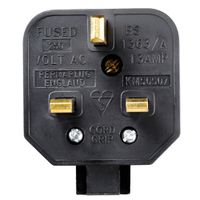

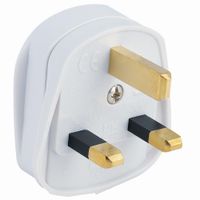

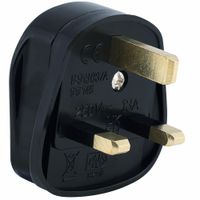
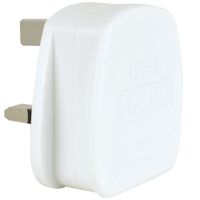

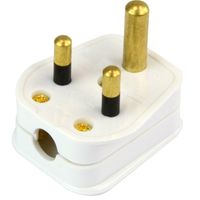

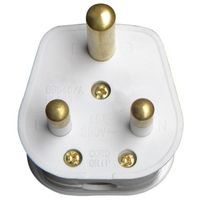

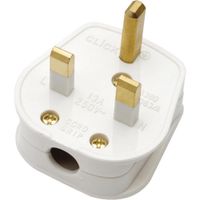

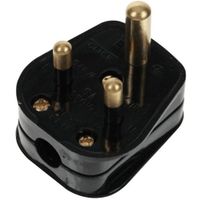
5A Round Pin Plug, Black, Essentials Range
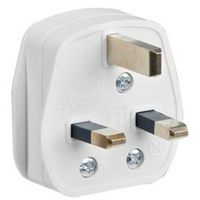
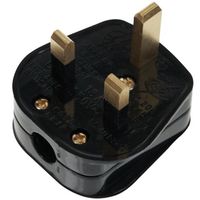
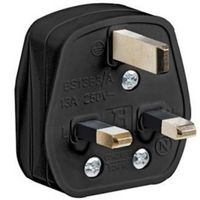
13A Fused Resilient Plug Top, Bar Grip, Black
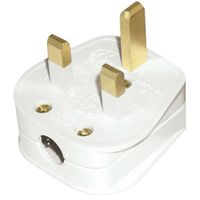
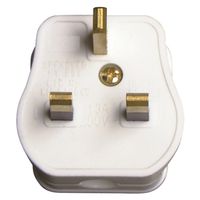
13A Fused Resilient Plug Top, Bar Grip, White
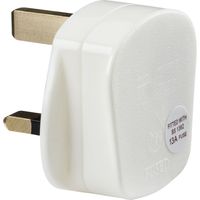

13A Fused Rough Use Plug Top, Quick Fix, White
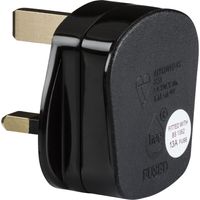
13A Fused Rough Use Plug Top, Quick Fix, Black
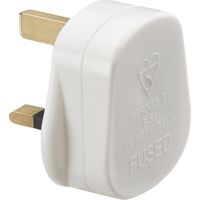
13A Fused Plug Top, Screw Cord Grip, White
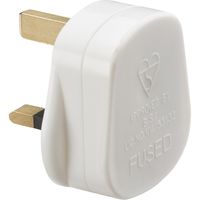
13A Fused Plug Top, Screw Cord Grip, White
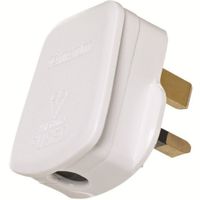

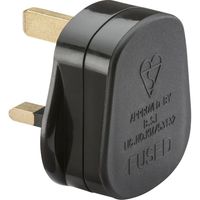
13A Fused Plug Top, Screw Cord Grip, Black
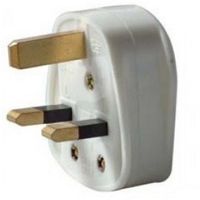
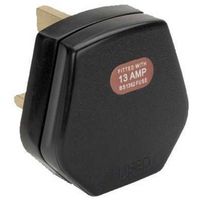
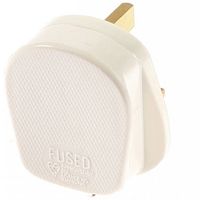

13A Fused Heavy Duty Plug, Clamp Cord Grip, White
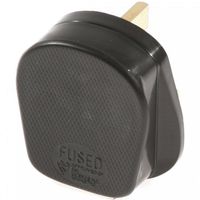
13A Fused Heavy Duty Plug, Clamp Cord Grip, Black
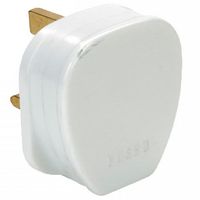
FAQs
What are the different plug types?
A type G plug is the most common plug type in the UK, and has three rectangular pins arranged in a triangular pattern and operates at 230 volts. The round pin plug is less common, as is the three-phase plug for heavy-duty use. Plugs in other countries may have different socket types and pin configurations to meet regional standards for voltage and connection requirements.
What is the difference between a fused and an unfused plug?
Fused plugs are used with electrical equipment to ensure safe operation. A fused plug has a built-in fuse and is designed to protect the appliance and user in case of a power surge or short circuit. If there is an electrical fault, the fuse works by breaking the circuit to prevent fire or overheating. An unfused plug will need a fuse before use to uphold compliance with UK safety regulations for general use.
How do I test if my plug is working properly?
There are several ways to troubleshoot a plug that isn't working. These include using a plug or socket tester to detect wiring faults or power issues when the plug is connected to a socket. A multi-meter can also test the current and voltage. If the plug doesn't provide power, the next step is to check the fuse inside the plug and replace it if necessary. A visual check will help determine that the wire and connection are secure for safe use.
What is a single phase plug?
A single-phase plug (for example, a Type G plug) is designed for standard domestic and commercial use, and can safely connect to most standard electrical equipment used in homes and offices. They are not suitable for heavy industrial plugs or machinery, which usually require a three-phase supply.
What is a round pin plug?
A round pin UK plug is a plug type that has round pins instead of the rectangular pins found in standard Type G plugs. They are used for specific low-power applications and are not interchangeable with standard household sockets. There are two common types of round pin plugs in the UK: 5 and 15 amp. These plugs are often found in controlled lighting systems or specific connection points for devices and checking connector compatibility before use is important to ensure a proper fit and safe operation.