

What Are Variable Speed Drives
Published: Monday, 27 April 2026
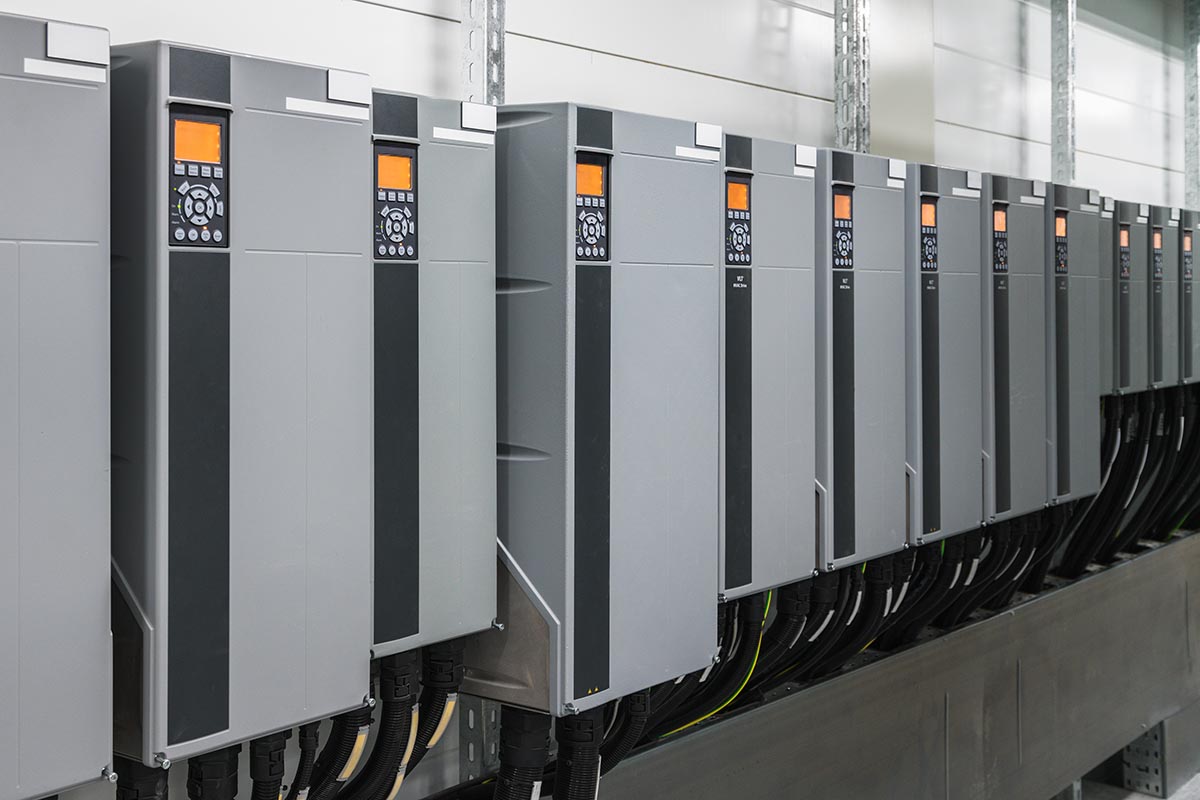
Variable Speed Drives (VSD) control the flow of energy, helping to match the speed and torque to meet the requirements of the application, helping you save money on your electricity used. Used by electricians, facilities managers, and industrial engineers, a VSD motor control will help with energy-saving motor solutions, reduced wear on motors, and improved process controls. In this article we will offer a complete guide to variable speed drives and how they reduce energy costs and improve motor control.
What is a Variable Speed Drive (VSD)?
A VSD will control your motor speed and torque by varying the frequency and voltage supplied to the motor. VSD allows equipment to run at the optimal speed for the job, rather than operating flat-out all the time, helping you make savings on your electricity.
You may also see terms like:
- VFD (Variable Frequency Drive)
- Inverter Driver
- AC Drive
These terms are often used interchangeably; “VSD” is the umbrella term that covers any drive used to control motor speed.
How Do Variable Speed Drives Work?
VSD works by converting incoming AC power into DC and then back into a controlled AC output. This is done in three stages:
- Rectifier: will convert your power from AC to DC.
- DC Bus: The DC power will then be fed through to a capacitor inside the drive to smooth and store the energy.
- Inverter: the energy will then be sent to the inverter, which will create a new AC waveform at the desired frequency.
When adjusting the frequency (Hz), the VSD controls how fast the motor spins.
Lower frequency = slower motor speed = less energy used.
This helps give users precise control over their pumps, fans, conveyors, compressors, and many other industrial systems.
Benefits of Using Variable Speed Drives
- Energy Efficiency + Savings: As your VSD will reduce the power consumption to adjust the motor speed and torque. It helps to reduce your carbon footprint and helps in lowering your electricity bills, as they avoid the wasteful practice of having your motors running at full speed when it's unnecessary.
- Extended Equipment Lifespan: As VSDs remove the mechanical stress on motors and connected equipment, it helps in providing a soft start and smooth acceleration. Resulting in fewer breakdowns and longer intervals between replacements.
- Better Process Control: As it provides the precise control over your motor speed and allows it to run at the exact speed needed for the job. This results in:
- More consistent production quality
- Maintains and has greater accuracy in flow, pressure, and torque.
- Reduced waste and downtime.
- Lower Maintenance Costs: Because your motors are running at optimal speeds and are no longer run at full speed continuously, less wear, heat, and vibrations are impacting your machinery. Helping to reduce your maintenance requirements.
- Reduced Mechanical Stress: With start and stop capabilities, machines are being put under reduced stress, helping to reduce the chance of damage and improve the longevity of our machinery.
Disadvantages of Variable Speed Drives
- High Initial Costs: Initial investment costs for the equipment are significant. For a smaller operation this could cause a financial barrier, as the immediate energy savings are not impactful and the overall value is realised much later on.
- Installation and Maintenance: The installation and maintenance of a VSD requires technical expertise. If a VSD were to be incorrectly set up or maintained poorly, you are more likely to experience operational performance suffering or even equipment failure.
- Interference: VSD can cause harmonics and electromagnetic issues to your system. Leading to potential disruptions to important equipment, and to avoid and reduce these effects would require additional equipment and components that will likely increase overall costs, affecting initial costs further.
- Environmental Factors: If not properly contained, VSDs risk failing in harsh environments as they are prone to dust, humidity, and high temperatures. Improper installation could affect performance on your VSD and decrease its longevity due to the risks.
When to Use a VSD & When Not to Use One
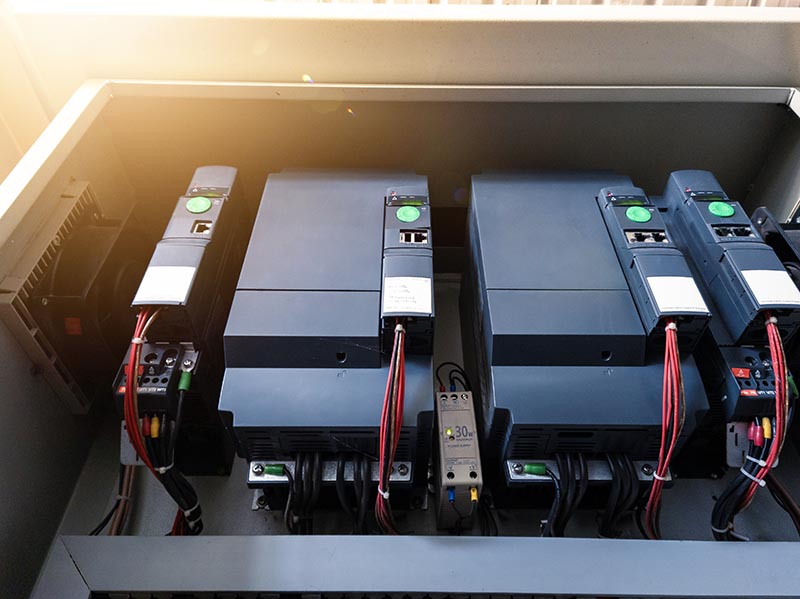
Although using a VSD can provide both benefits and drawbacks to a system, it is more important to know when you should implement a VFD or VSD into your system.
It is recommended you use a drive for the following:
- You require precise control from your equipment.
- Your motors are frequently starting and stopping, as it will help to ramp up the speed of your motors.
- The equipment has a variable load and, through the drives, can help to run the motors at reduced speed.
- Running online power with a mechanical throttle, as throttling the output wastes a lot of energy.
You should avoid using a drive if:
- A motor's load is constant, and the output is unrestricted.
- The equipment uses either a very low or very high speed, as low speeds can cause overheating, whereas high speeds can cause mechanical damage.
- If the motor is old, it may not be able to take a drive's output.
- Power quality issues
- The drive and motor cannot be put close enough together.
For more details, check out this article here.
Common Applications of VSDs
Making sure you have the correct VSD is essential for getting reliable and efficient performance. When choosing your VSD, consider the following factors:
Motor Size (kW/HP)
This helps to ensure the drive is correctly rated for the motor’s power and current.
Load Type
Different loads require different control strategies:
Variable torque: fans, pumps
Constant torque: Conveyors, compressors
Constant power: some high-speed machinery
Environmental Conditions
Look at the IP ratings and cooling requirements if your VSD is going to be installed in dusty or damp environments.
Essential Conditions
Depending on the application, you might need:
- Built-in PID control
- Harmonic filters
- Braking resistors
- EMC compliance
- Remote monitoring features
If you are ever unsure, an industry specialist can help to specify the correct drive.
Installation and Maintenance Tips for VSD
For the installation and maintenance of your variable speed drives, it is important you consider the following:
- Using the correctly sized and screened cables helps to minimise electrical noise.
- Ensure that your VSD is properly ventilated, because as your VSD generates heat, it will need the correct airflow to keep it safe.
- For industrial sites, make sure to check the grounding and EMC compliance.
- Firmware needs to be regularly updated so you have access to new features and improvements to your equipment.
- As VSDs are vulnerable to dust and high temperatures, making sure you inspect cooling filters and fans could help in maintaining your equipment and will reduce the chance of needing to spend money on repairs.
By following these steps, you can help extend the life of both the VSD and the motors it is controlling.
FAQs
What is the difference between a VSD and a VFD?
With a Variable Frequency Drive (VFD) covering AC drives only, a variable speed drive (VSD) uses both AC and DC drives.
How long does a VSD last?
Depending on the conditions, the overall lifespan of a variable speed drive will differ. The average lifespan of a VSD is around 10–15 years, with a well-maintained unit reaching the 15–20-year mark. VSDs that are exposed to harsh conditions such as extreme heat and dust will likely last 3–5 years, whereas if they are in perfect conditions, they could potentially run for 30 years.
What is the most common VFD failure?
One of the most common failures of variable frequency drives can be caused by overheating, which is usually caused by ventilation issues. The heat generated will damage internal components of your device, reducing the longevity of your device as components will degrade faster over time.
Variable speed drives offer a simple, cost-effective way to reduce energy consumption, improve process control, and extend the life of motors across commercial sites. Being aware of when to use drives and when not to can help you avoid unnecessary hassle to your system, and with UK energy prices rising and increasing sustainability demands, now is the ideal time to consider upgrading to VSD technology.
Need help choosing the right variable speed drive?
Our team can recommend the best model for your motor, application, and site conditions. Contact us or browse our full range online.