

Heavy-Duty Cable Management: What You Need to Know
Published: Friday, 23 October 2026
Effective cable management is essential in industrial, commercial, and construction environments across the UK. Ensuring proper organisation and protection of cables not only enhances safety and efficiency but also guarantees compliance with industry regulations. In this article we will look at the key aspects of heavy-duty cable management, including regulatory standards, available solutions, common challenges, and best practices.
The Importance of Heavy-Duty Cable Management
Proper cable management is not just about keeping workplaces tidy; it is crucial for maintaining safety and operational reliability. If cables are poorly managed, then it can lead to electrical hazards, including fire risks and short circuits. Additionally, exposure to these harsh environments, such as crushing or excessive strain, could result in mechanical damage, leading to costly repairs and downtime. Efficiency is extremely important for cable management and helps to reduce these risks, helps to prolong lifespan and simplifies maintenance and troubleshooting.
UK Regulations and Standards
In the UK, strict regulation governs cable management to ensure safety and performance. Key standards include:
BS 761 (IET Wiring Regulations) – The national standard in the UK for electrical installation and the safety of electrical wiring systems. This outlines the requirements for electrical installations, including cable containment and protection.
Health and Safety Executive (HSE) Guidelines – Britain’s national regulator for workplace health and safety. It helps to provide the best practices for workplace electrical safety and risk management.
BS EN 61537 (Cable Tray Systems) – Highlights the requirements and tests needed for cable tray systems and cable ladder systems that are intended to support and accommodate cables and possibly other electrical equipment for electrical or communication system installations.
BS EN 61386 (Conduit Systems) – Specifies the requirements and tests for conduit systems. This covers their mechanical and electrical properties.
Fire Safety and IP Ratings – Ensure cable management systems offer fire resistance (BS 476) and protection against water and dust ingress (IP ratings).
Heavy-Duty Cable Management Solutions
Selecting the right cable management system depends on the environmental and specific application requirements.
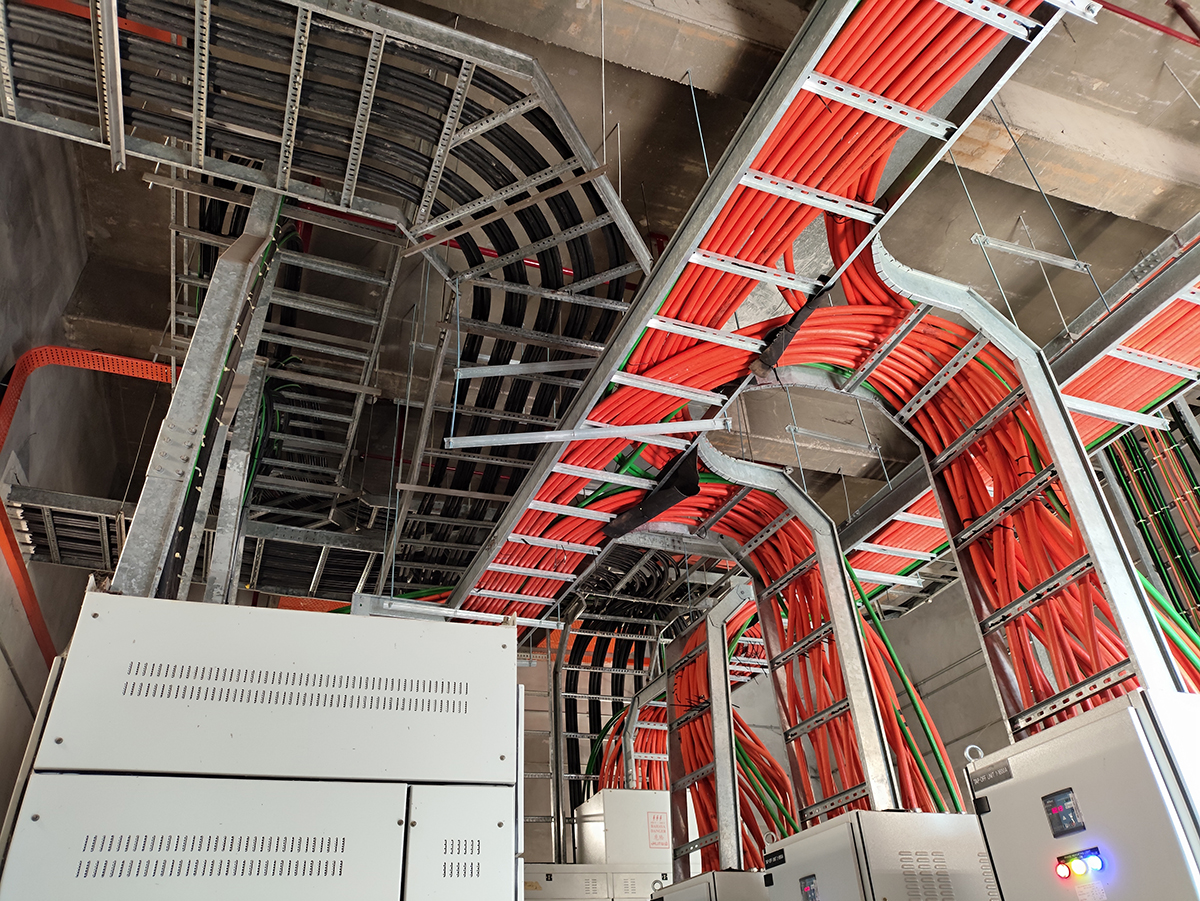
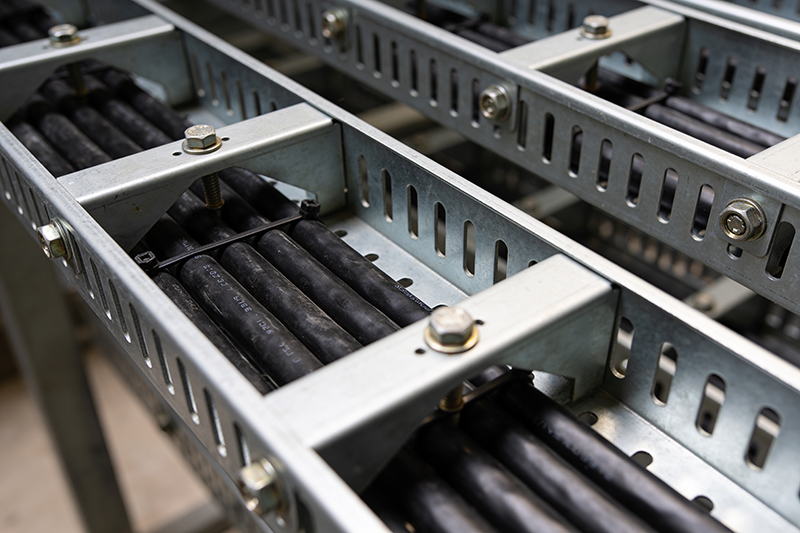
Cable Trays and Ladders – These systems are used to support insulated electrical cables for power distribution, control, and communication. You are likely to see these in industrial settings such as factories and data centre's. The system has easy access for maintenance. Cable trays are mainly used for lighter cable support, whereas cable ladders can support a higher volume or heavy cabling.
Conduit Systems – Conduit is designed to protect essential electrical wiring from damage along the route it is installed and from mechanical and environmental damage. These systems are usually available in PVC, steel, and aluminium.
Trunking and Cable Ducting – An effective tool used for improved cable management in domestic, commercial and industrial settings. A great way to keep your cables organised and protected. For general use you will likely see plastic trunking, whereas, in industrial environments, metal trunking is better suited as cables require greater protection for resistance against fire and electromagnetic interference.
Cable Cleats and Fasteners – For safe and secure management of heavy-duty cables in industrial, commercial, and infrastructure applications. These are essential for high-voltage cables, ensuring secure mounting and reducing movement. This helps to ensure long-term performance.
Underground and Overhead Cable Containment – Provides protection for external applications such as EV charging infrastructure and renewable energy installations, protecting your cables from adverse weather conditions.
Challenges and Best Practices in Cable Management
Heavy-duty cable management comes with its own set of challenges, including:
Overheating Risks – To avoid any risk of overheating, proper ventilation needs to be maintained to avoid excessive heat buildup. This can reduce the risk of fire and electrical damage.
Mechanical Damage – Protection against physical impact is crucial, especially in high-traffic industrial zones. Damage to your cabling could impact productivity within the workplace due to downtime costing your business time and money.
Future-Proofing – When designing your able system, you need to make sure you plan for the future and that expansion and upgrades are possible to ensure long-term efficiency.
Best practices include:
Regular inspections and maintenance.
Using high-quality, compliant materials.
Labelling and organising cables for easier identification and maintenance.
Innovations & Sustainability in Cable Management
With the cable management industry evolving, expect to see new technologies and sustainable solutions, including:
Recyclable Materials – The use of eco-friendly and recyclable materials in cable containment systems.
Smart Cable Management – Integrated monitoring systems that detect faults and help to optimise cable performance
Heavy-duty cable management is essential for maintaining safety, efficiency, and compliance in the UK’s industrial and commercial sectors. By understanding the right solutions, adhering to regulations, and implementing best practices, businesses can ensure a reliable and future-proof cable infrastructure.
For facility managers, investing in high-quality cable management is a strategic decision that enhances workplace safety and operational efficiency.