

Commercial Battery Storage: Reducing Energy Costs for Businesses
Published: Tuesday, 22 September 2026
With rising energy costs and pressure on businesses to become more sustainable, commercial battery storage systems are emerging as the key solution. These systems help reduce energy expenses but will also support your transition to renewable energy systems. In this article, we will look at how battery storage can benefit your business.
What is commercial battery storage?
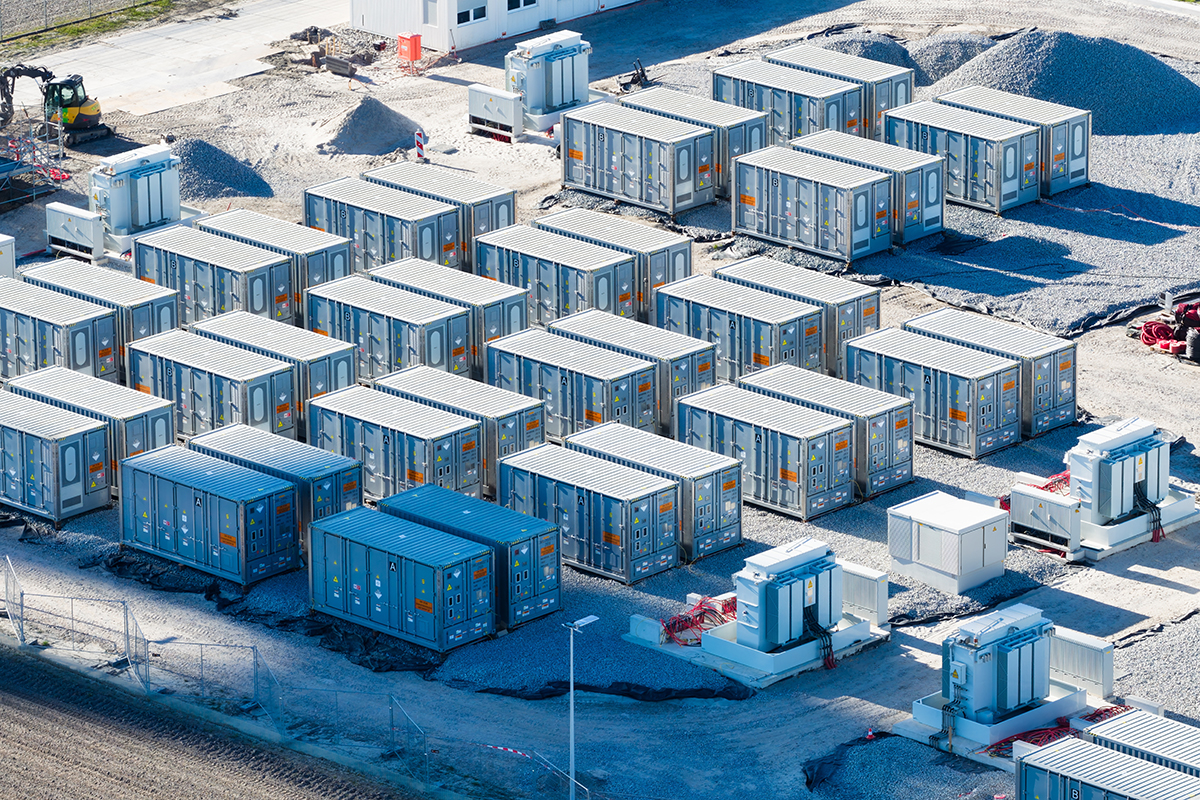
A battery storage system is there to store energy for later use. The technology consists of advanced batteries, usually lithium-ion, and energy management software. This technology allows you to store energy during the day, and during hours when you can’t use solar power as effectively, this can be used to support your energy usage. Alternatively, you can store energy during low-demand periods and then during peak times, you can use your stored energy to reduce your energy bills. your stored energy to reduce your energy bills. your stored energy to reduce your energy bills. To find out more about battery storage, check out our article here.
Benefits for businesses
Cost Savings
Peak Shaving: Avoid high energy costs during peak time by using stored energy. This will help to significantly reduce overall electricity bills, especially in industries that have energy-intensive operations.
Load Shifting: This will store energy during off-peak hours when rates are lower, and then you use the stored energy when the rates rise; this will help to optimise your energy expenditure throughout the day.
Reduced Demand Charges: This will lower the costs that are associated with peak energy usage that is infused by energy companies. This can cost
Long-Term Financial Predictability: With a battery storage system in place, a business in is able to better anticipate and manage their energy costs, helping to protect them from unpredictable rate increases.
Backup Power
- Ensures that operations are uninterrupted during power outages, providing reliability for critical business processes and services
- Protects your sensitive equipment and critical processes from power disruptions. This will reduce the risk of costly downtime or equipment damage.
- Provides support for your essential safety systems, such as lighting, ventilation, and security during outages, ensuring compliance with safety regulations.
Integration with Renewable Energy Sources
Battery storage works seamlessly with renewable energy systems like solar PV or wind turbines. The excess energy that is generated during the day can be stored for use at night or day during cloudy periods, maximising your self-consumption and reducing your reliance on the grid. This will help to save you money but also align with your sustainability goals as a business.
Participation in Energy Markets
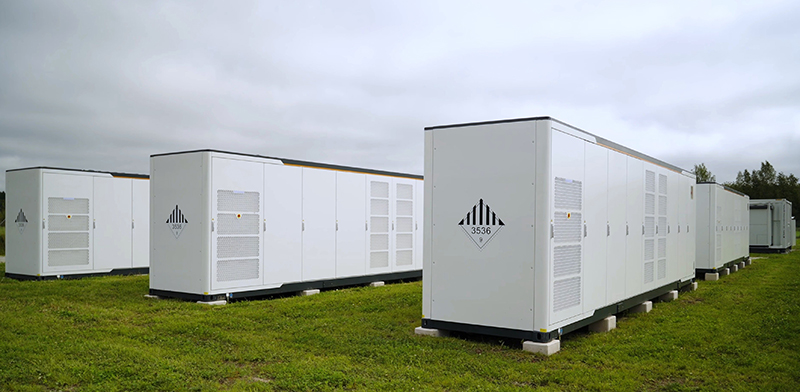
Businesses with battery storage can participate in the energy markets by:
- They are able to sell their excess stored energy back to the grid, which helps businesses to create additional revenue.
- Joining a demand response program where utilities compensate businesses for reducing energy use during peak times.
Scalability and Customisation
As battery storage has continued to grow, it is now highly scalable; which makes it scalable for businesses of all sizes. A modular design allows a system to grow alongside a business, this enables you to meet evolving energy needs. Having a customised configuration will help to ensure that a business receives a tailored solution for optimal performance.
Cost Consideration and ROI
Like most renewable energy systems, the initial investment of battery storage systems is quite high. Financing options and government incentives are being used to help companies to alleviate the pressure of the initial costs of these systems. It is important to be aware that the long-term savings from a battery storage system can result in a return on investment within a few years.
Technological Advances
Technological advancements are being made to battery storage to help future-proof the technology. The development of solid-state batteries provides increased energy density, safety, and an improved cycle life. Additionally, smart energy management systems are being put into place, enabling companies to monitor and optimise their energy use in real time, make their operations more efficient.
Regulations and Incentives
Governments are looking to adopt battery storage into their systems and are providing companies incentives to encourage them to make the initial leap. Grants, subsidies, and tax credits are being put into place to relieve the pressure on a business to deal with the initial cost. Energy regulations have also become more accessible due to improved technologies and clearer guidelines, so businesses are finding it easier to implement these systems.
Environmental and Sustainability Benefits
Battery storage helps a business to optimise their renewable energy usage, reducing their reliance on fossil fuels and helps to reduce greenhouse gas emissions. Businesses are being held socially accountable to meet environmental goals and a business that strives to meet and exceed these goals can enhance their reputation as social responsible entities.
Commercial battery storage is providing businesses with a solution as they aim to reduce energy costs while they advance their sustainability efforts. With investment in these systems, businesses have been able to improve their energy efficiency, capitalise on the renewable energy market, and help improve the financial and environmental impact on the business. As technology and incentives continue to grow, now is an ideal time for a business to invest in commercial battery storage.